
“Intimate Partner Betrayal Awareness Day was created to do for betrayed partners what other awareness days have done for survivors of domestic violence, sexual assault, other forms of abuse, and trauma: name the harm publicly, so the pain no longer has to be carried privately.”
INTIMATE PARTNER BETRAYAL AWARENESS DAY
August 4, 2026
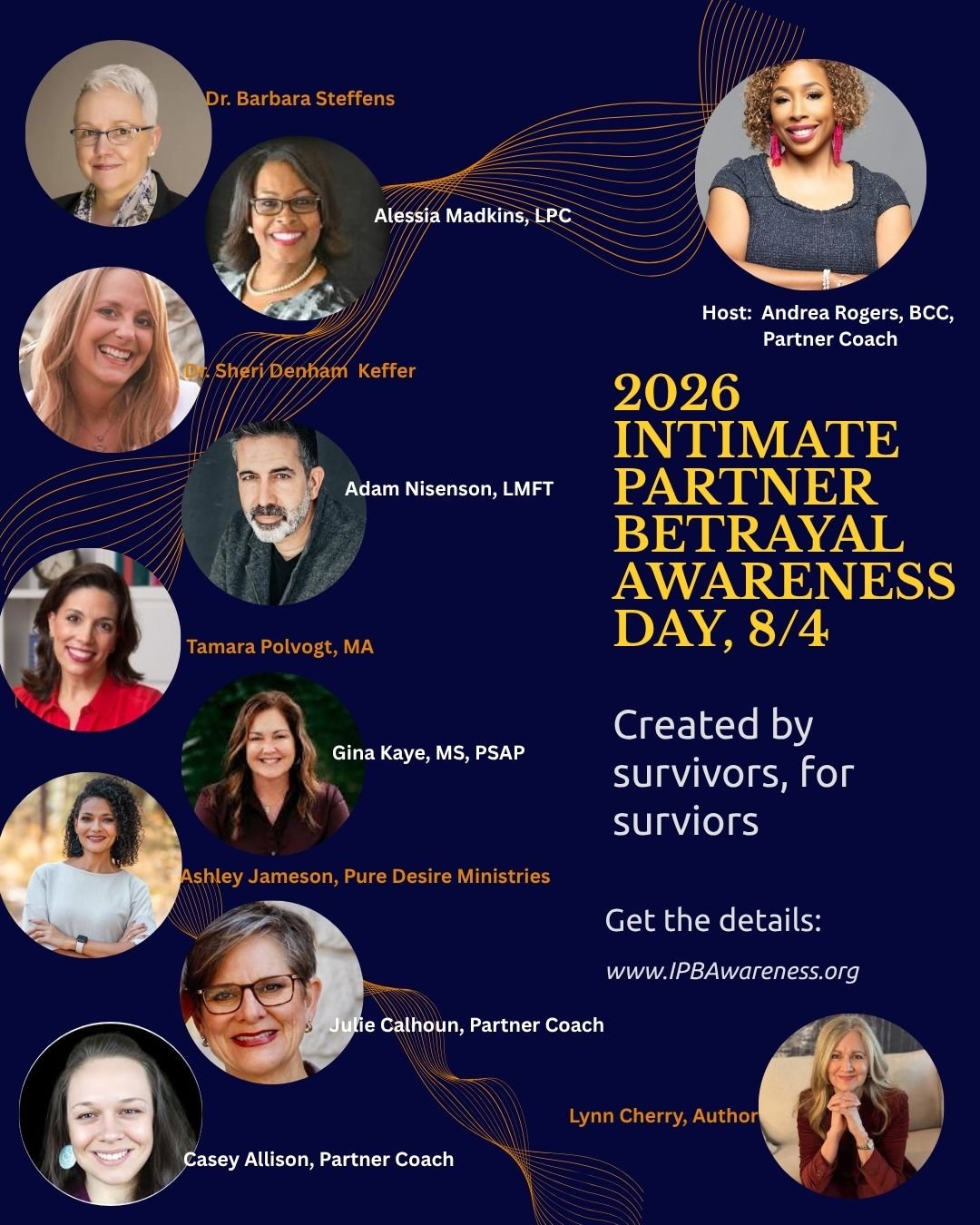
Join us in honoring the brave survivors, aka the embers of light, who come forward to share their stories. We empower betrayed partners on their healing journeys by giving them a voice. Each story of betrayal is personal to the betrayed. We want to change the narrative that “it’s just cheating or lying”. Betrayal causes harm to every part of a person’s life. Betrayed partners deserve to name that harm and have their courage honored.
IP Betrayal Awareness Day
Observed every year on August 4 to raise visibility for the hidden trauma of betrayal in intimate relationships. This day honors the strength and perseverance of women and men who have been betrayed by their partners. Created by survivors, for survivors, this day is about awareness, advocacy, and agency.
Too often, betrayed partners suffer in silence. Our mission is to change that.
BEAUTY FROM ASHES
We are preparing something SPECIAL for August 4.
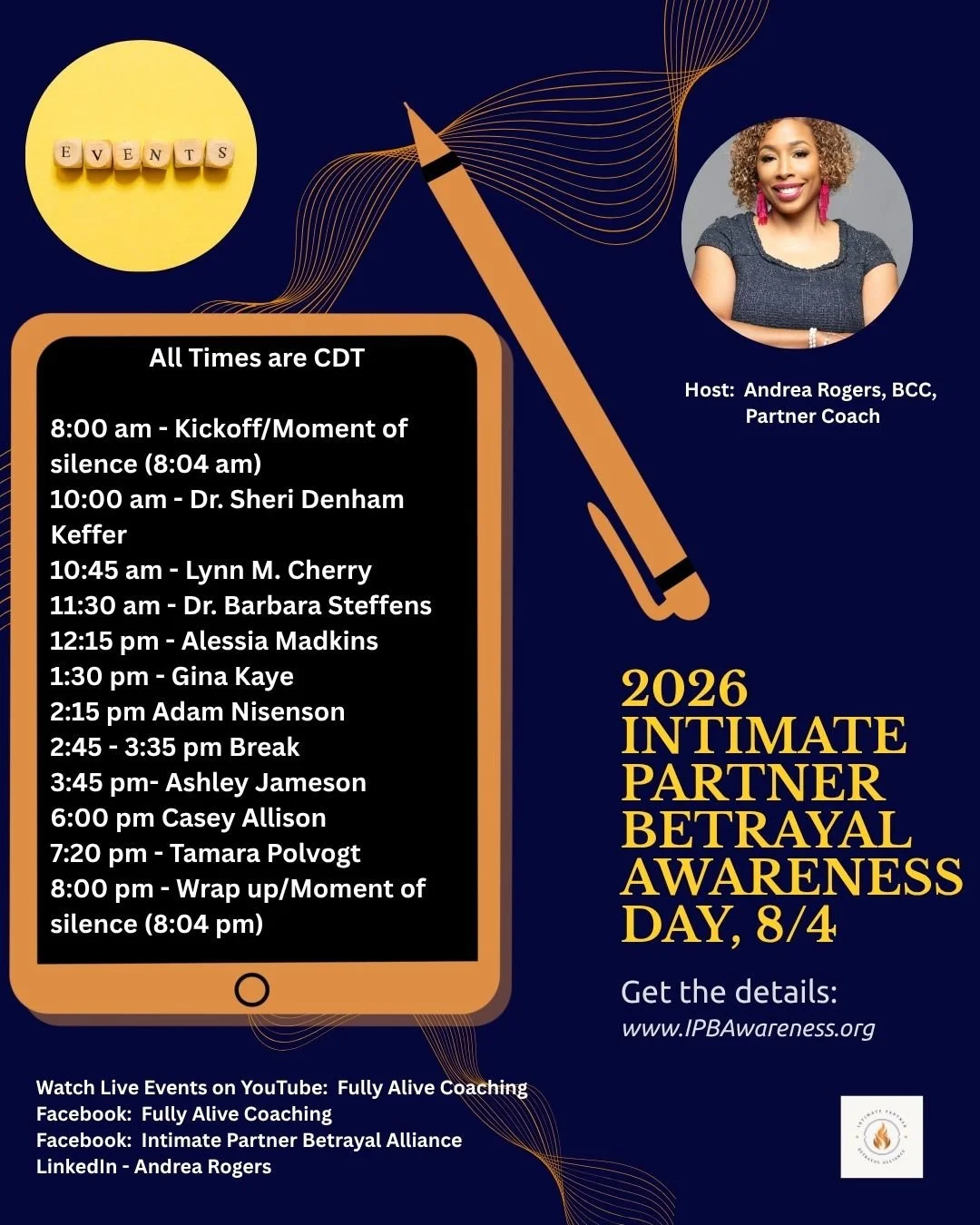
A day built with betrayed partners in mind; to honor, to gather, and to light the embers together. Don’t miss the amazing lineup of speakers plus giveaways! Catch all of the live broadcasts on YouTube (Fully Alive Coaching) and Facebook (Intimate Partner Betrayal Alliance and Fully Alive Coaching). Take the survey to share your ideas.
Featured Partnerships
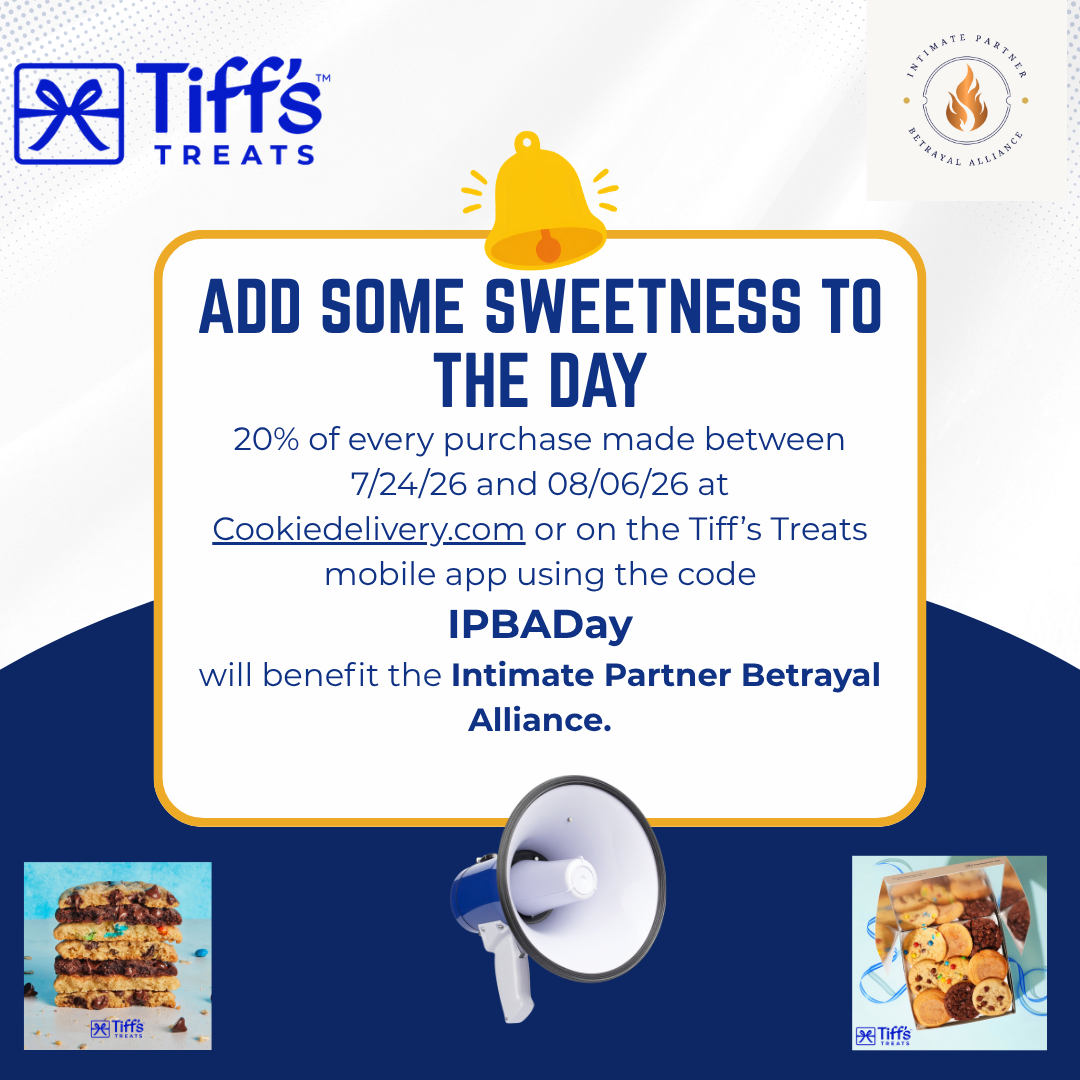
We cannot take away the sting of betrayal, but we can add some sweetness to a bitter situation. As a part of the Cookies for Community campaign, 20% of every purchase made between 07/24/26 and 08/06/26 at https://www.cookiedelivery.com/ or on the Tiff’s Treats app using the code IPBADay will benefit the Intimate Partner Betrayal Alliance.
Honor a betrayed partner, a coach or counselor working with betrayed partners, or someone who is a trusted friend/family member of a betrayed partner. A small act of kindness goes a long way.
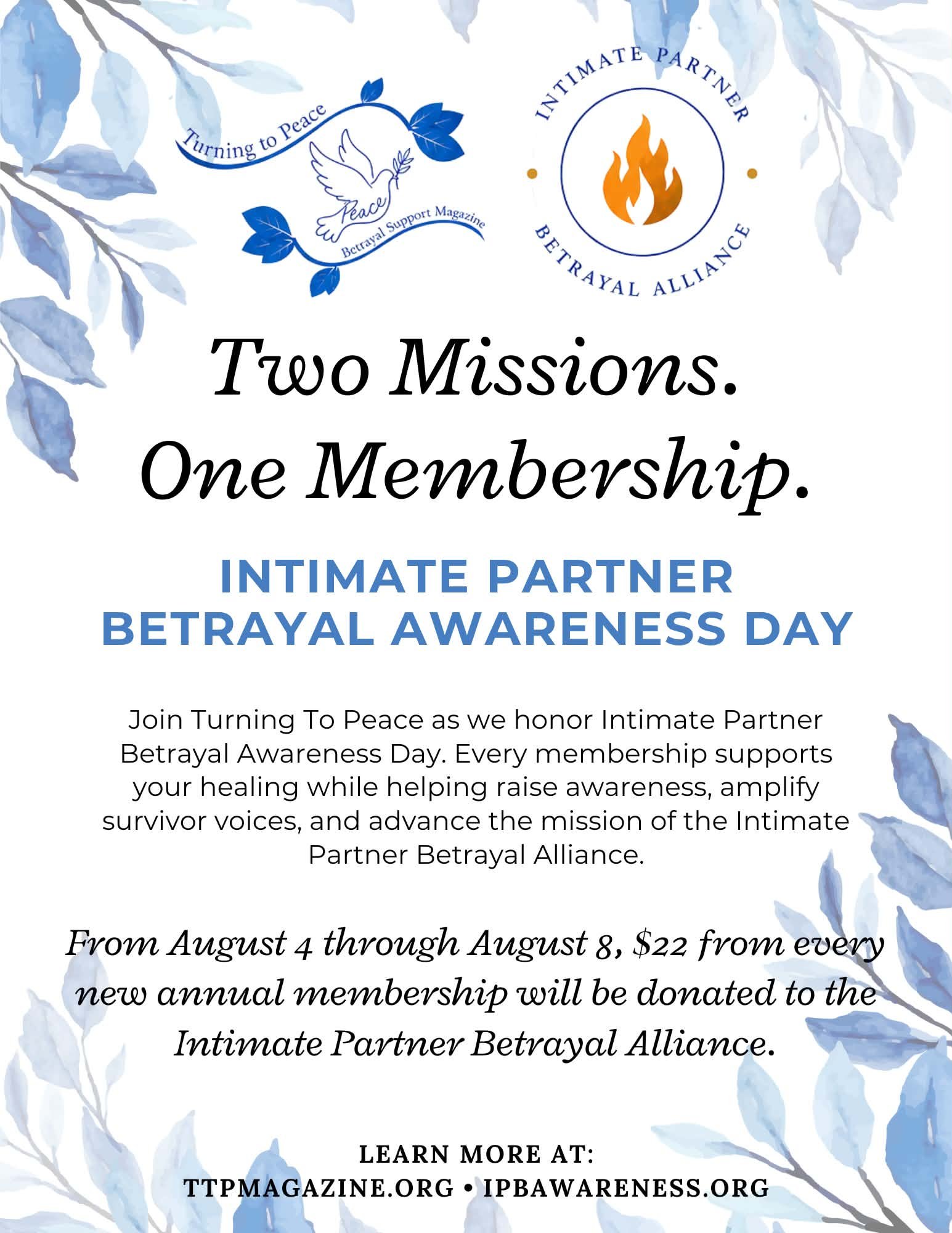
Join Turning To Peace as we honor Intimate Partner Betrayal Awareness Day. Every membership supports your healing while helping raise awareness, amplify survivor voices, and advance the mission of the Intimate Partner Betrayal Alliance.
From August 4 through August 8, $22 from every new annual membership will be donated to the Intimate Partner Betrayal Alliance.
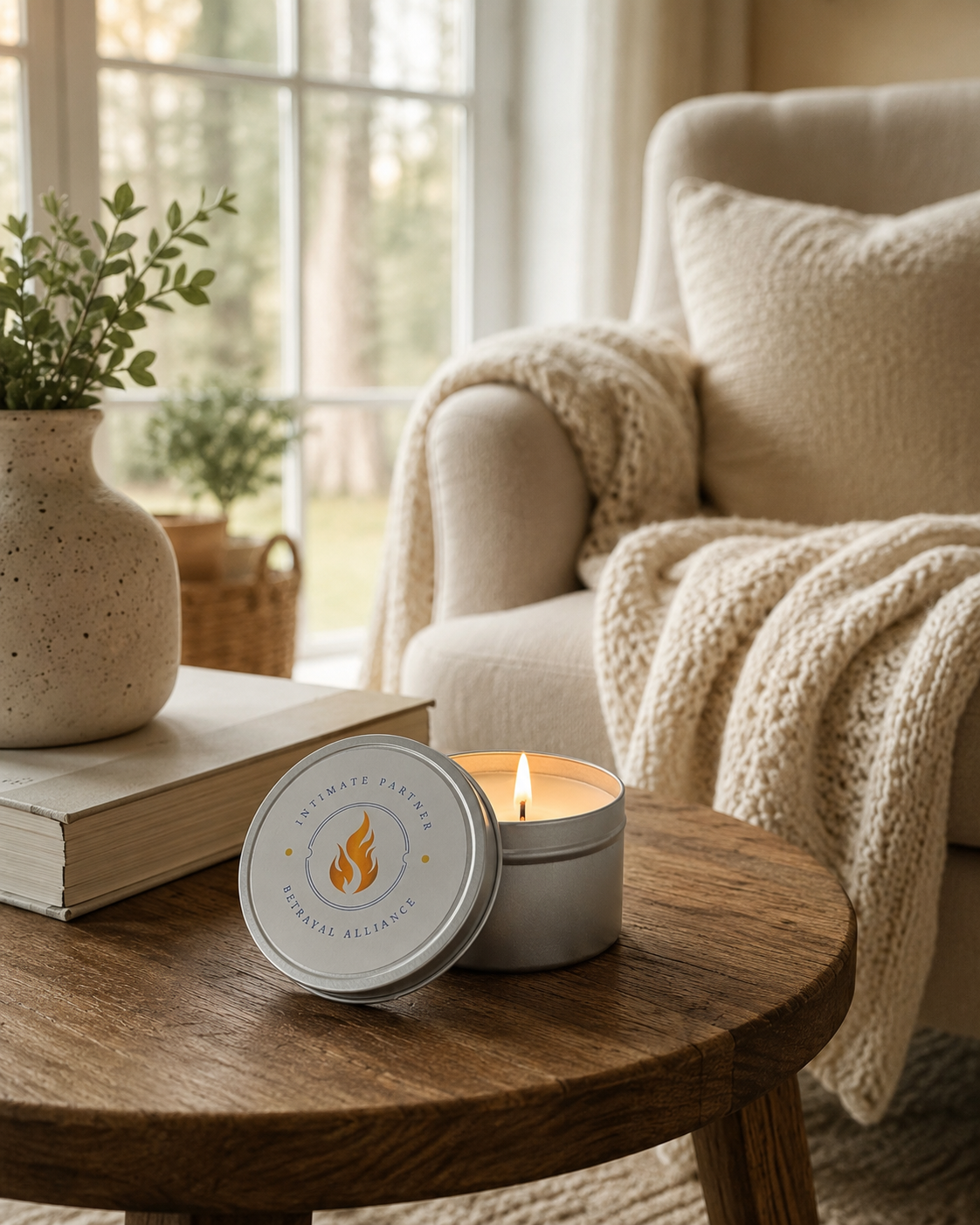
We’ve partnered with La vie Louisiane to create a custom candle to honor our Embers of Light. This candle was created with love, thoughtfulness, and prayer. The warm raspberry, vanilla, gourmand combination will remind you of serenity and beauty. Pre-orders coming soon.
More coming soon….

Understanding Betrayal Trauma
Betrayal trauma occurs when the people or institutions on whom a person depends for safety, love, or survival significantly violate that person’s trust or well-being. The concept was introduced by Dr. Jennifer Freyd in 1991 and formalized in her 1996 book Betrayal Trauma: The Logic of Forgetting Childhood Abuse (Freyd, 1994, 1996). In adult relationships, betrayal trauma is most often triggered by the discovery of a partner’s sexual infidelity, hidden compulsive sexual behavior, chronic deception, or coercive control; injuries that fracture the attachment bond and the betrayed person’s sense of reality.
“Intimate partner betrayal does not discriminate. Women and men across every culture, age group, and income level are betrayed, yet it remains one of the most under-discussed forms of relational abuse.”
Contact us
Interested in working together? Fill out some info and we will be in touch shortly. We can’t wait to hear from you!